
Franklin Lakes, New Jersey · Heating & cooling

Heating & Air Conditioning in Franklin Lakes, NJ

Cold rooms. Warm air from the vents. A system that no longer feels right. Start with the problem, explore your options, and plan a clearer next step with Franklin Lakes HVAC.
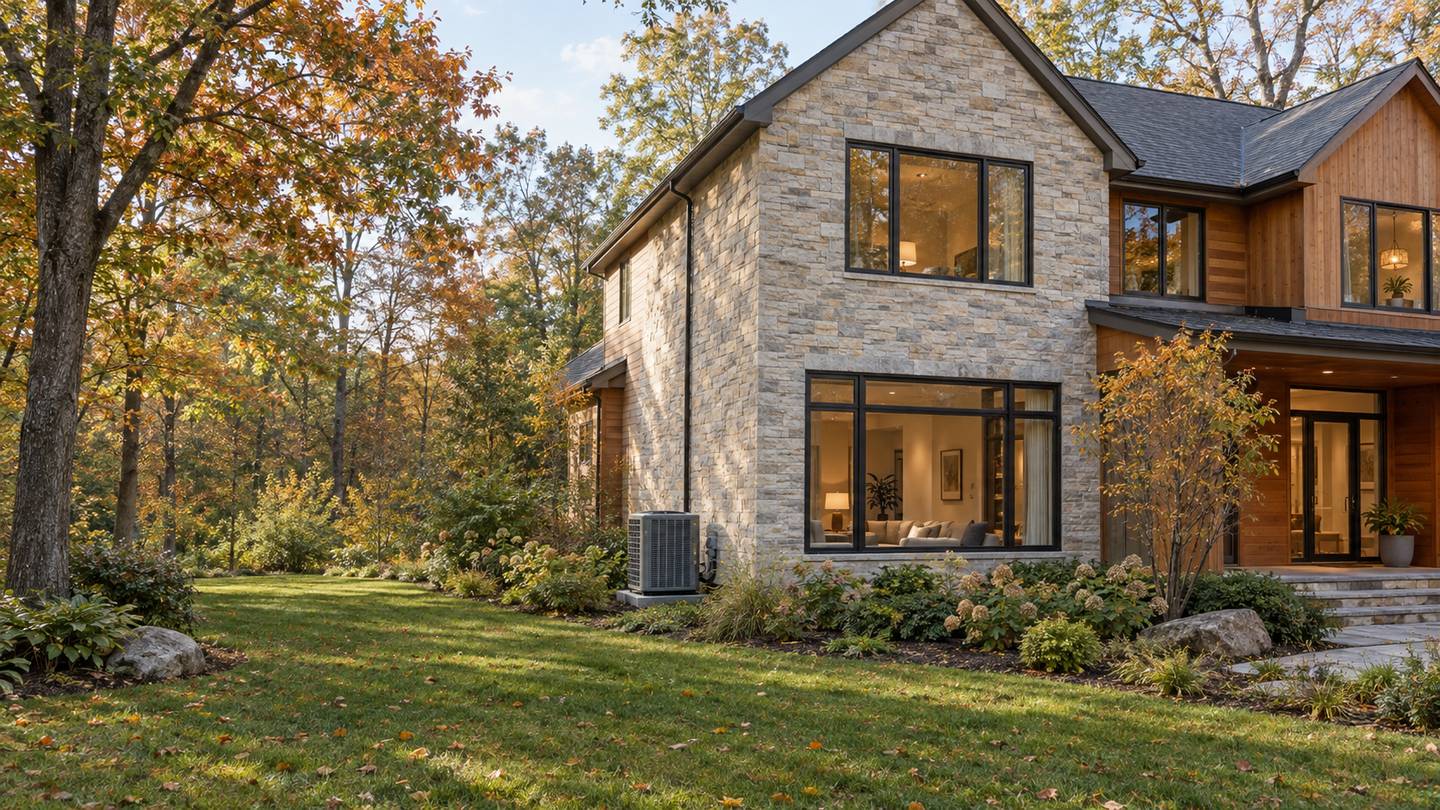
Stone and cedar home with landscaping and an outdoor HVAC unit

What is your home telling you?

You do not need to know the equipment fault to find a useful starting point.

Choose your starting point

Home comfort, without the guesswork.

Explore equipment-specific guidance, common warning signs, and the questions that help you compare work. Each service has its own page.
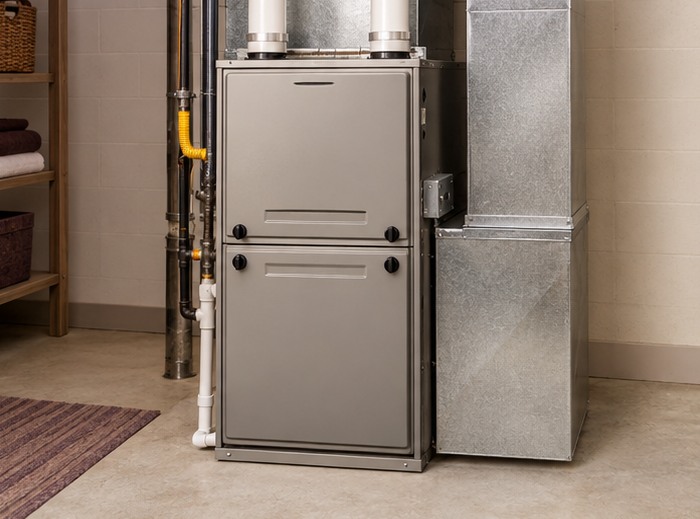
Residential furnace and connected supply ductwork

Furnaces & Heating

The furnace runs, but the house stays cold.
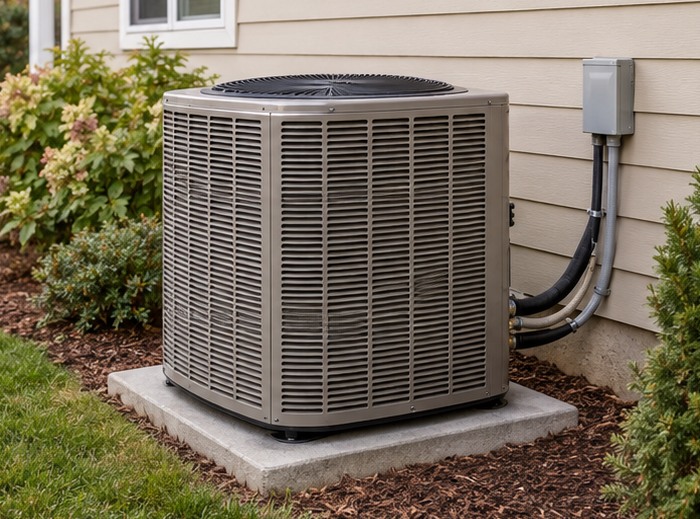
Outdoor central air conditioning condenser on a level pad

Central Air Conditioning

Air from the vents is warmer than expected.
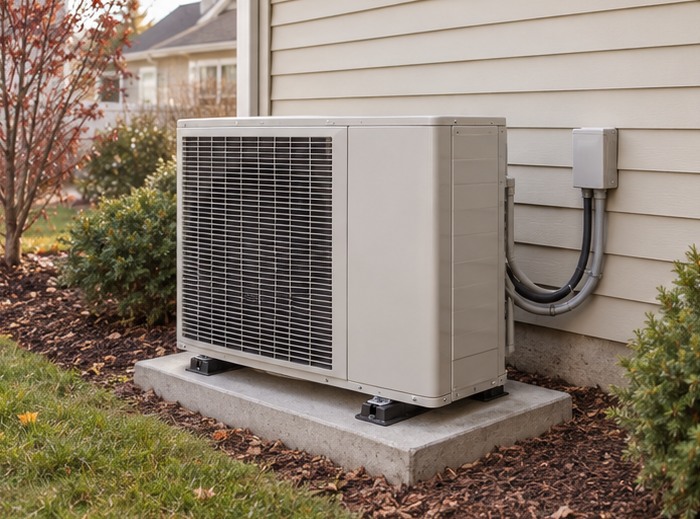
Side-discharge heat pump beside a home

Heat Pumps

You want to compare heating and cooling together.
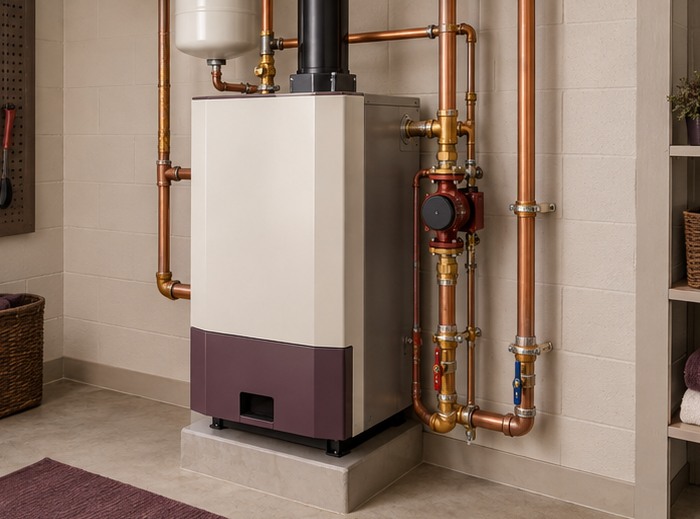
Hot-water boiler and copper heating pipes

Boilers & Hot-Water Heat

One heating zone stays cold.
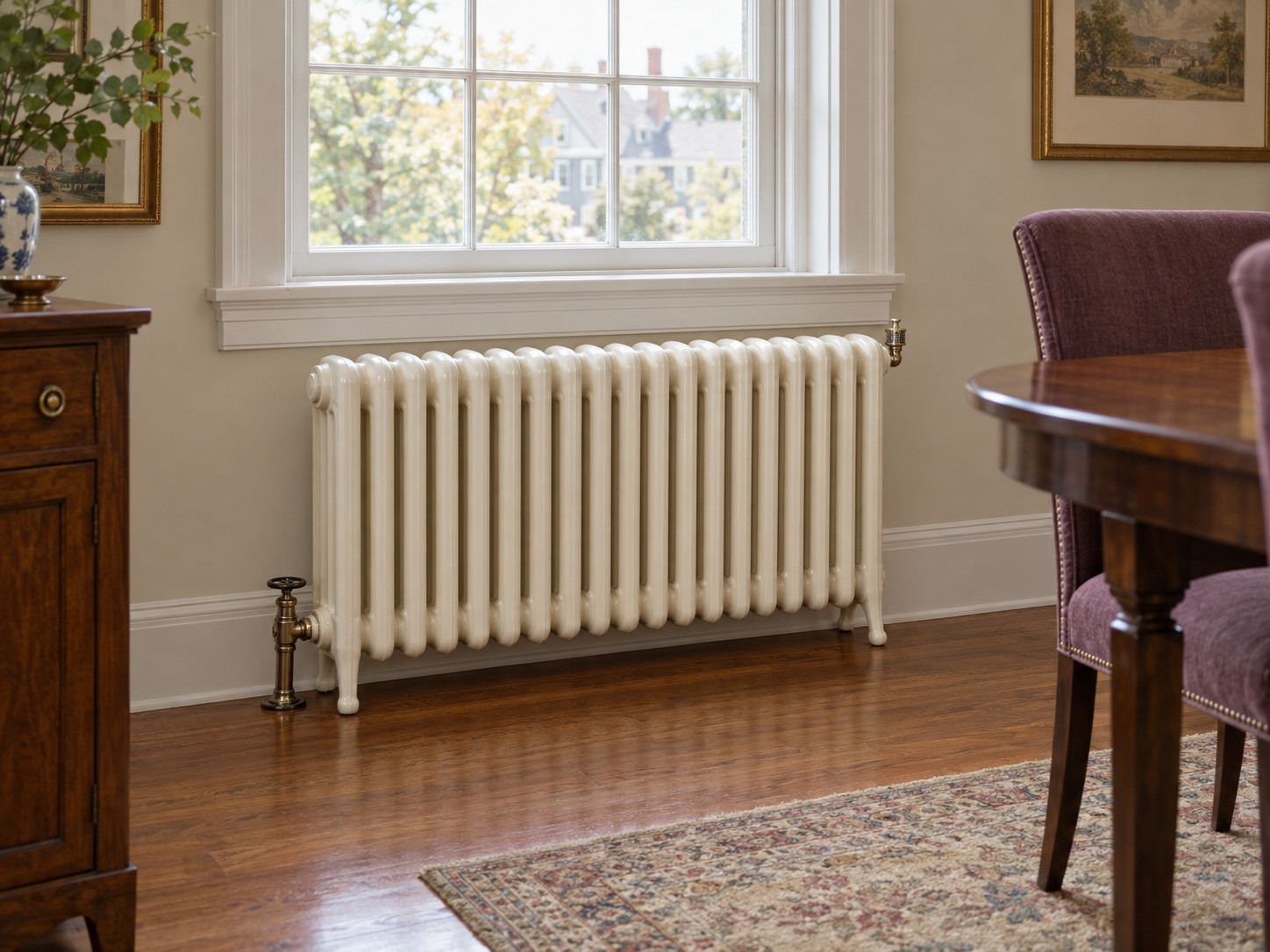
Traditional steam radiator below a dining-room window

Steam Boilers & Radiators

Radiators warm at different times.
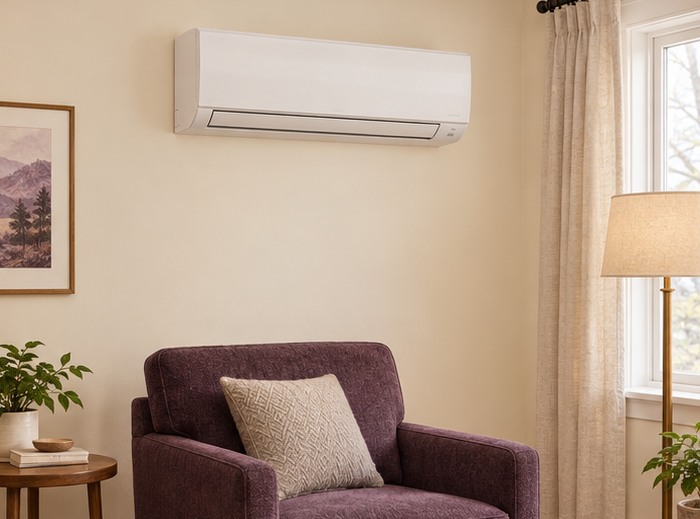
Wall-mounted ductless unit in a living room

Ductless Mini-Splits

A room has no practical duct connection.
Warm ivory living room with a plum sofa

Start with the room. Consider the system.

A room that feels uncomfortable may need more than a new thermostat or larger equipment. Airflow, distribution, controls, and how the space is used all deserve a place in the conversation.

For additions, offices, and finished spaces, compare extending the current system with a room-specific approach.

Care today. A better plan for tomorrow.
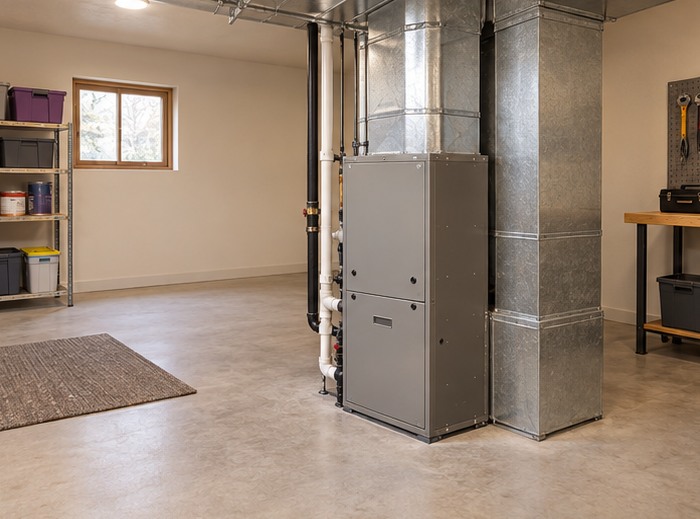
Furnace cabinet with supply and return ducts

Replacement & Conversions

Repairs are becoming a recurring concern.
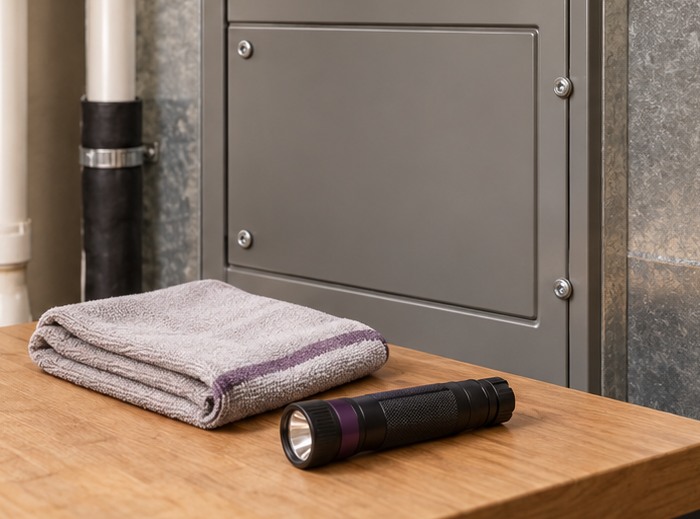
HVAC equipment panel and simple inspection tools

Maintenance & Tune-Ups

Heating or cooling has not had recent professional care.
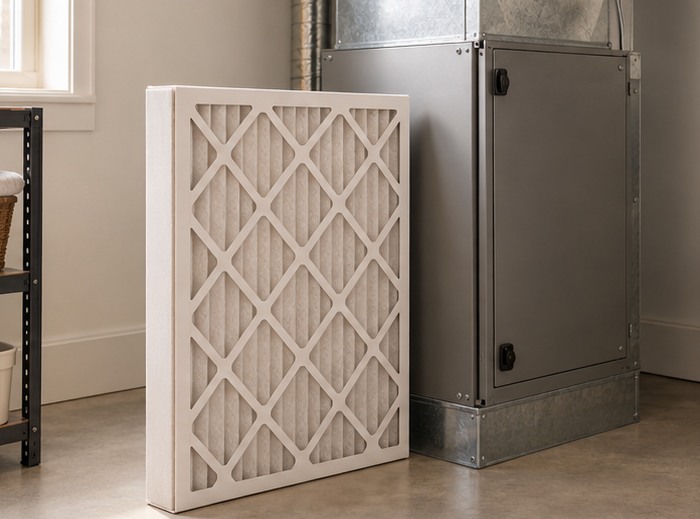
Pleated filter beside a whole-home filter housing

Indoor Air Quality

Rooms feel stale or poorly ventilated.
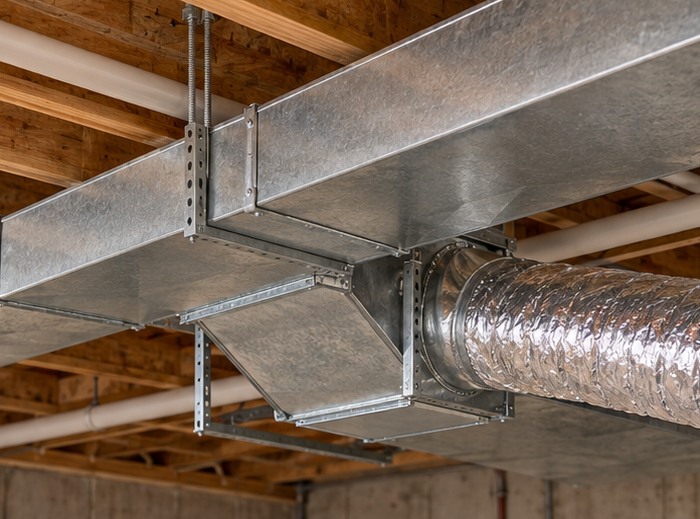
Supported metal ductwork in a basement ceiling

Ductwork, Airflow & Zoning

Upstairs and downstairs feel very different.
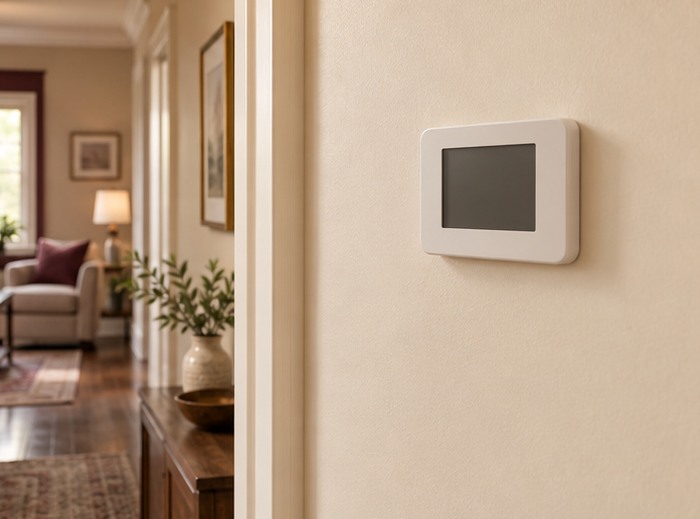
Unbranded wall thermostat in a home hallway

Thermostats & Controls

The system does not follow the temperature request.
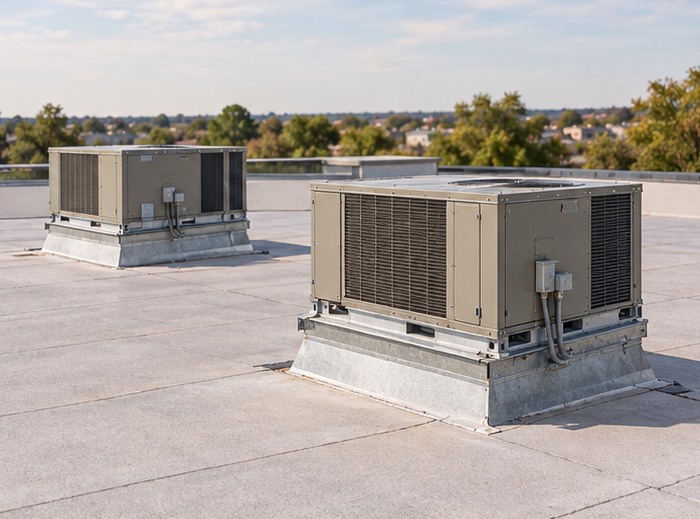
Packaged HVAC units on a commercial building roof

Commercial HVAC

A work area is consistently too hot or cold.
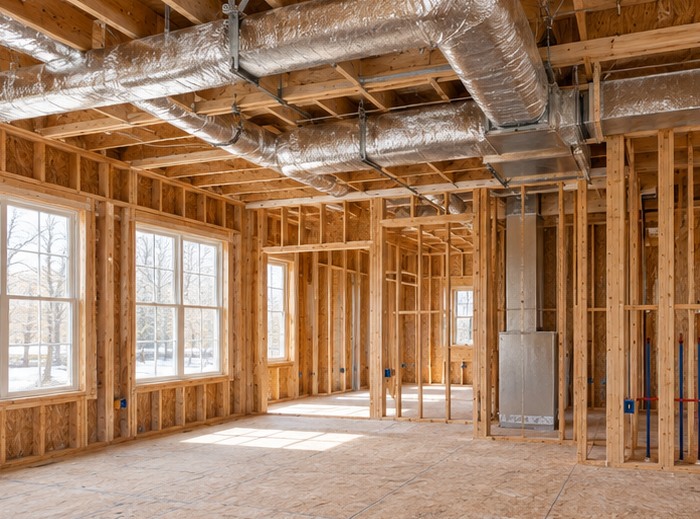
Ductwork routed through a framed home addition

Construction & Renovations

You are adding conditioned living space.
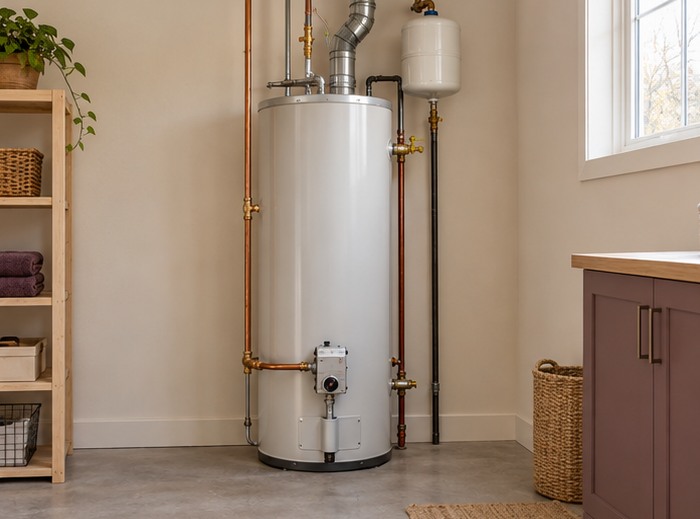
Tank water heater with connected plumbing and venting

Water Heaters

Hot water runs out sooner than it used to.
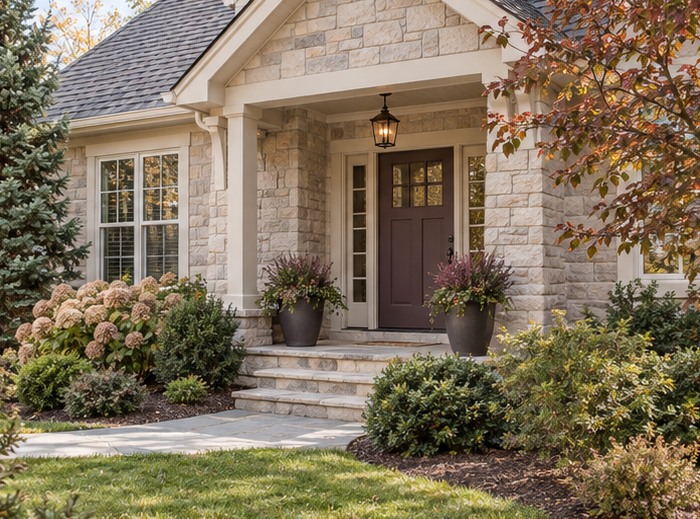
Stone house entrance with mature landscaping

Urgent HVAC Help

Heating or cooling stopped unexpectedly.

A clearer conversation in three steps.

Describe. Share what changed, the affected rooms, and the equipment type if known.

Discuss. Ask what the assessment includes, which options fit, and what needs further review.

Decide. Confirm scope, pricing, and scheduling before approving work. A website inquiry is not a booked visit.

Useful, independent guidance

Compare options with resources that explain the basics without a sales pitch. These organizations are information sources, not business partners or endorsements.

Start with what you have noticed.

Tell us the town, equipment type if known, affected rooms, and when the concern began. You do not need to name the repair before asking about the next step.

A comfort plan should fit the way the home is used. An HVAC contractor can review the equipment alongside the rooms that need attention. Start a discussion about heating and AC repairs with the problem you experience rather than a part you suspect.

For inconsistent warmth, ask how heating repair considers both the heat source and its distribution. If the findings involve furnace repairs or boiler repair, request an explanation of the proposed work and what it is meant to address.

A cooling assessment can help separate a repair need from a future project. Explore air conditioning repairs for existing equipment, and compare the scope of AC installation with ductless mini-split installation for the spaces you want to improve.

When weighing heating and cooling replacement, include questions about controls, airflow or circulation and the equipment that remains. Ask how HVAC maintenance fits the chosen setup so the plan extends beyond installation day.

Franklin Lakes Homes: Getting Heating and Cooling Right

Franklin Lakes HVAC serves Franklin Lakes (Bergen County) and nearby Wyckoff, Oakland, Mahwah, Allendale and Wayne, NJ.

Franklin Lakes stands apart from most of its neighbors because its houses are newer and larger. Census Bureau survey figures for 2019-2023 show a median year built of 1981, and only about 30% of homes date before 1960. Bigger, newer houses often come with multiple heating and cooling zones, finished basements and equipment in both the basement and the attic.

Around 87% of occupied homes use utility gas for heat, about 9% use electricity and roughly 4% oil. PSE&G provides natural gas in Franklin Lakes; electricity is supplied by a different utility.

Larger homes, more complex systems

Multi-zone homes often have two or three separate systems, zone dampers, and attic air handlers. Common issues include failed zone dampers, attic condensate leaks onto ceilings, and second-floor systems that struggle on the hottest days because of poorly insulated attic ducts. Regular maintenance on each system, including the attic units, prevents most emergency calls. Some homes also have generators, humidifiers or air purifiers integrated with HVAC.

Climate

Using NOAA's 1991-2020 normals for Little Falls, the nearest complete station: close to 5,300 heating degree days in a normal year, mean January temperatures around 30°F, and July highs of roughly 86°F. Higher, wooded parts of the borough can run cooler.

Permit requirements

New Jersey regulations treat replacing an existing boiler, furnace, or AC equipment with like-capacity units as minor work. Franklin Lakes' construction department is notified before the start, receives the paperwork no more than five business days later, and then inspects the installation. Adding a new zone or upsizing equipment is a different category that needs a full permit.

Utility incentives

Homeowners on PSE&G gas service can get an upfront discount on qualifying efficient gas furnaces and boilers through participating contractors. Heat pump and central AC incentives depend on your electric utility.

Deciding whether to replace

Factors that affect cost include the number of zones, attic access, duct insulation, equipment size and efficiency, and integrated accessories. Where several systems are the same age, replacing them one at a time as they fail is common, though matching outdoor units can simplify maintenance.